Five Bucks, No Case Art: Inside the Bargain Bin Where Forgotten Movies Go to Live
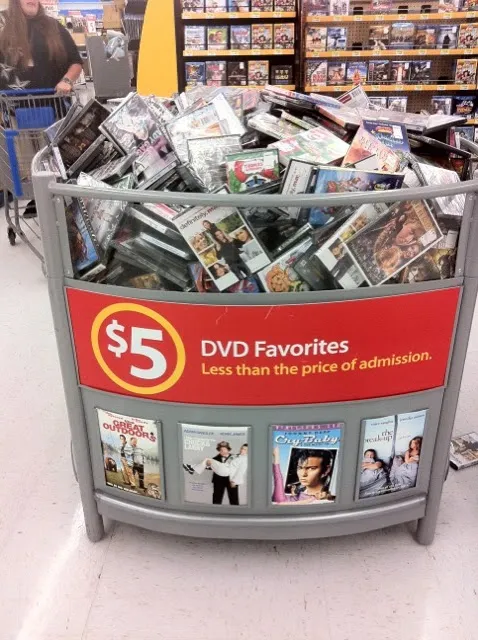
Photo: bargain bin DVD spinner rack discount store, via 2.bp.blogspot.com
There's a spinner rack at a truck stop outside Bakersfield, California, that might be one of the most important film archives in America. Nobody working there knows it. The rack holds maybe sixty DVDs, most still in the cardboard sleeves they were shipped in, all priced between $3 and $7. And tucked between a zillion copies of some direct-to-video dog movie and a repackaged war epic is a run of titles you cannot legally stream, cannot buy new anywhere else, and in some cases cannot find cited in any film database.
That's the bargain bin economy, and it quietly did something no prestige label ever bothered to do: it gave orphaned movies a home.
The Labels That Specialized in Nobody's Movies
Companies like Platinum Disc, Digiview Entertainment, and a dozen outfits with names that sounded like insurance firms built entire businesses on licensing films nobody else wanted. Their model was brutally simple. A movie's distribution rights had lapsed, or the rights holder had gone bankrupt, or the studio simply didn't care anymore. The budget label would sweep in, license the title for pennies, press a thousand discs, and get them onto endcaps at Walmart, Dollar General, and every grocery store chain between here and Ohio.
The transfers were often rough. The packaging was worse. Half the time the synopsis on the back described a different movie entirely. But the disc played, and for a few dollars, a film that had effectively ceased to exist commercially was suddenly sitting in a gas station in Tulsa.
What Ended Up in the Bin — and What Never Did
The genre breakdown tells you everything about how the bins worked. Westerns flooded them, because so many 1930s and '40s B-westerns fell into public domain or near-public-domain limbo. Serials, early talkies, regional horror pictures, and faith-based family films from the '70s and '80s all showed up in bulk. Anything with a famous star early in their career — a young John Wayne, a pre-fame Bogart — got repackaged endlessly under new titles to fool casual shoppers.
What you almost never found: anything the major studios still valued. The bins were a shadow catalog of American cinema's discard pile, and the discard pile was enormous. Thousands of titles passed through budget distribution. For a meaningful chunk of them, the $5 DVD remains the only American home video release that has ever existed.
Accidental Archivists
Here's the part that should make film historians nervous: those discs are deteriorating. DVD-R presses and cheap replication runs from the early 2000s weren't built to last, and the discs are aging faster than anyone expected. Meanwhile, the rights situations remain as murky as ever, so no boutique label is rushing in to restore what a budget label already released.
Collectors have started doing the work anyway. Online forums dedicated to bargain-bin archaeology catalog pressings, compare transfers, and flag titles that don't appear anywhere else. Some have taken to buying up entire spinner racks from closing drugstores, the way someone else might rescue books from a dumpster.
It's easy to laugh at the shrink-wrapped John Wayne knockoff box sets. But when the alternative is a movie existing nowhere at all, a beat-up disc in a cardboard sleeve starts to look a lot like a lifeline. The bin wasn't preserving cinema on purpose. It just happened to be the last place willing to hold on.