Ranking the Stacks: Your Public Library Is the Last Great Video Store
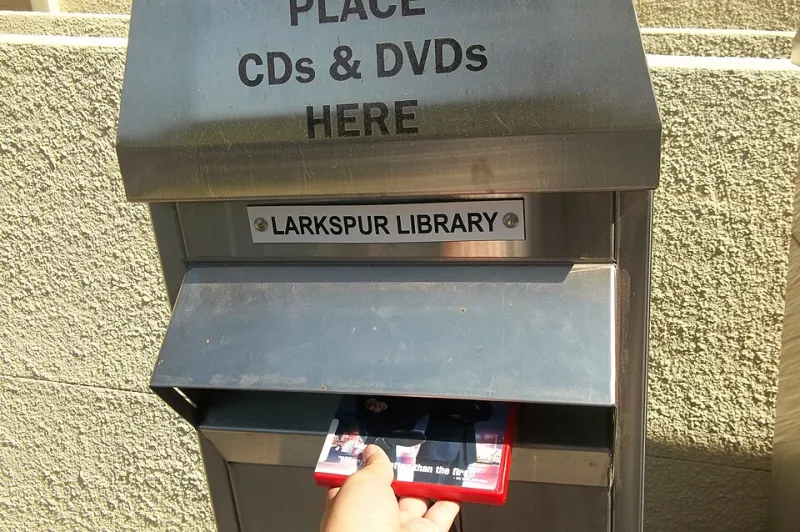
Photo: 49206561742062616e616e6173, CC BY-SA 4.0, via Wikimedia Commons
Let me say the quiet part loud: the best deal in American film culture right now costs nothing, requires no subscription, and is funded by your local property taxes.
It's your public library's DVD shelf.
I know how that sounds. The DVD section at your branch might be a sad spinner rack of Adam Sandler comedies and one copy of Dances with Wolves with the case held together by tape. But across the country, a handful of library systems have spent decades building film collections that rival — and in some cases embarrass — what any streaming service or specialty retailer offers. And as physical media retreats everywhere else, those shelves have become something closer to a public trust.
Why This Matters More Than It Used To
For years, the library DVD section was a nice bonus. Now it's infrastructure. Streaming catalogs are contracting — titles rotate out constantly, entire studios pull their libraries to launch their own platforms, and the promise of "everything, forever" has quietly become "some things, until Thursday." Physical media at retail prices has become a hobbyist's game, with boutique editions running thirty, forty, fifty bucks a pop.
Against all that, the library card remains the great equalizer. Any film in the collection, free, for a week or two at a time, to anyone who walks in the door. No algorithm deciding what you're allowed to want.
The Rankings, Subjectively and With Feeling
1. The Big City Systems. New York, Chicago, LA, Boston — the major metropolitan systems treat film as a collection area the way universities do. Deep holdings of international cinema, documentary, silent film, and out-of-print titles that simply aren't available to buy anymore. If you live near one of these and you're not using it, that's on you.
2. The University-Adjacent Midsize Libraries. Places like the systems in Madison, Ann Arbor, or Austin-adjacent suburbs often punch way above their weight, especially where a local film culture — a festival, a college program — gives the librarians a reason to collect seriously.
3. The Surprise Regional Gems. Some of the best curating I've seen has been in mid-sized city libraries where one film-loving staffer clearly had budget and taste. You know it when you see it: an actual foreign film section, not two shelves of subtitles as garnish.
4. Everything Else. Still good! Still free! Even a modest branch collection will hand you a hundred films a year you'd never think to rent.
The Purge Problem
Here's where the love letter turns into a warning. Libraries are under the same pressures as everyone else: space, budgets, and the assumption that "streaming replaced all that." Some systems have begun weeding their disc collections aggressively — sometimes replacing physical holdings with streaming licenses that cost recurring fees, cover fewer titles, and can be yanked by the vendor at any time.
It's a genuinely bad trade, and librarians know it. A disc on the shelf is a permanent asset that serves every patron for decades. A streaming license is a rental the library doesn't control. When the license lapses, the collection evaporates — and unlike a DVD, there's no used copy to buy back.
What You Should Do About It
Check out the discs. That's it. That's the whole strategy. Circulation numbers are what justify budgets, and every DVD you take home is a data point saying this collection matters. If your branch's film section is thin, ask the librarians about it — collection development genuinely responds to patron requests, and film requests are cheap to fill.
And maybe, while you're at it, go to the library board meeting once. Just once. When the purge conversations start — and they're already starting in some systems — the people in the room will decide whether the last truly public film archive in your town survives.
The video stores are gone. The rental kiosks are gone. The library shelves are what's left. Treat them like it.