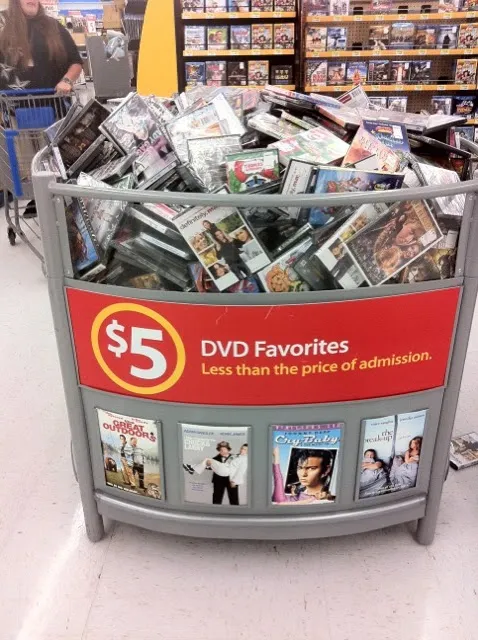
Mine Now: A Ranking of the Boldest Grabs on America's Public Domain Classics
Photo: Unknown (commercial matchbox manufacturer), Public domain, via Wikimedia Commons
The public domain is supposed to be the great equalizer of American film. When a movie's copyright expires, it belongs to all of us — every streamer, every label, every kid with a DVD burner. Except it never quite works that way, because where there's a beloved free movie, there's a company with a legal department trying to build a fence around it. Here are the boldest land grabs, ranked by sheer audacity.
5. The Colorization Shakedown
Slap new color on a black-and-white classic, register the new version, and market it like it's the definitive edition. The underlying film is still public domain, but the colorized transfer gets its own copyright — and companies have spent decades using that to muddy the waters. The trick is in the marketing: if a casual buyer thinks the colorized disc is the movie, the company effectively owns the public's access point to it.
4. The 'Restoration' Racket
Same logic, classier packaging. Take a PD film, do a 4K scan and cleanup, then charge premium prices while implying the restoration itself grants some special ownership. There's nothing illegal about selling your own nice transfer. There is something a little gross about a slipcover that says 'fully restored' as if the film itself were proprietary property.
3. The Sequel Shroud
This one's sneakier. Produce a new sequel, remake, or reboot based on a public domain property, then use marketing for the new work to cast a shadow over the original. Suddenly the original title's search results are dominated by the remake, and the free classic gets semantically swallowed by the version somebody still owns.
2. The Trademark Play
The most famous example remains It's a Wonderful Life, whose lapse in the 1970s turned it into a holiday fixture on every local station in America — which is exactly why it became beloved in the first place. But rights holders discovered that while the film was free, the story it was based on still carried copyright, and characters and trademarks could be policed independently. Merchandising dried up. Licensing demands appeared. The film still airs everywhere, but the 'free' part developed fine print.
1. The Re-Registration Bluff
The boldest move of all: simply acting like the public domain doesn't exist. Studios and distributors have spent years sending takedown notices for films that are unambiguously free, betting that most uploaders won't fight back. And mostly, they don't. The bluff works because filing a counter-notice is a hassle and most people assume a corporation wouldn't lie about ownership. They would, and they do.
Why It Matters
Every successful intimidation tactic makes the public domain smaller in practice, even when it stays the same size on paper. The law says these movies belong to everyone. The market says otherwise, one takedown at a time. The next time you stream a 'free' classic, check who's charging you for it — and check what they actually own.