Small Labels, Big Rescues: The Boutique Blu-ray Houses Saving TV That Studios Left for Dead

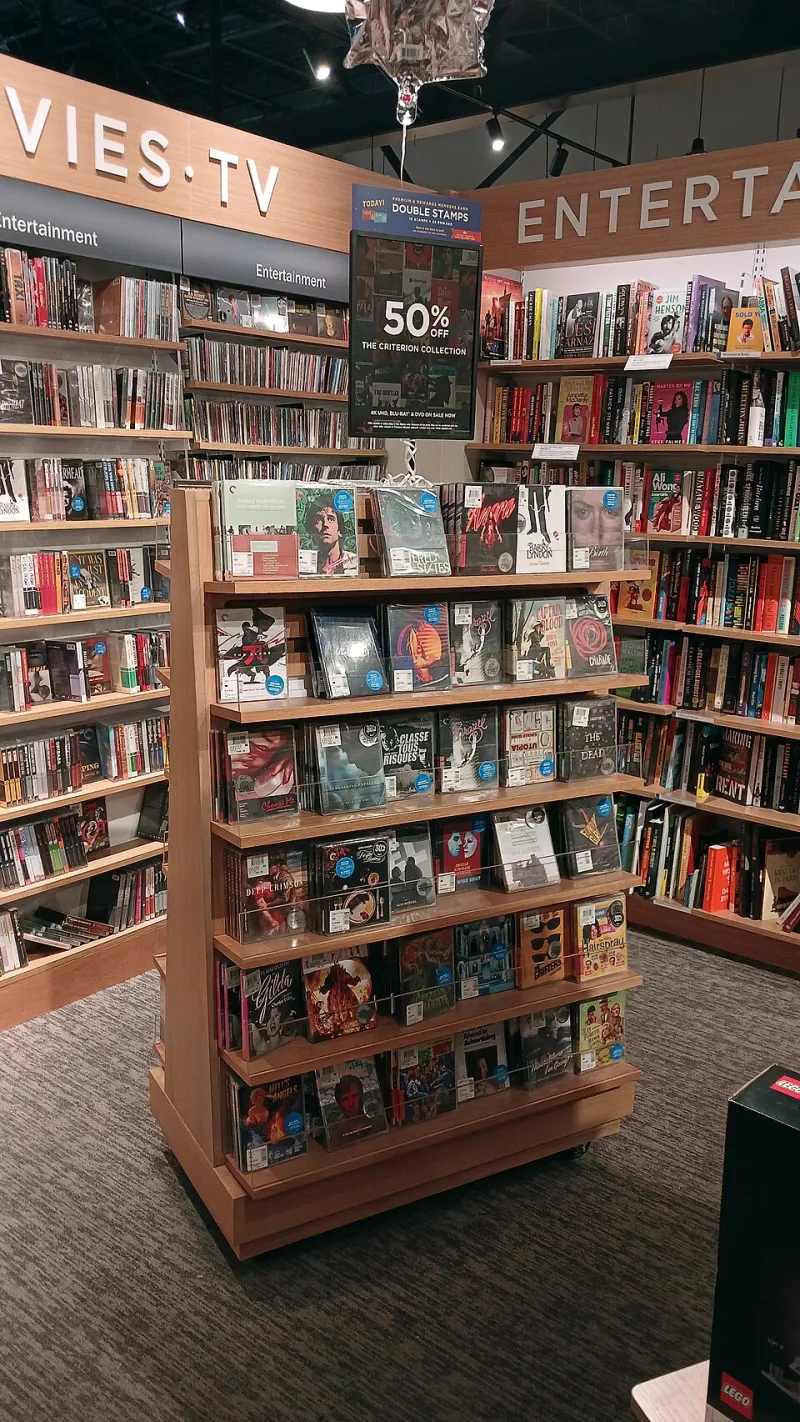
Photo: boutique Blu-ray disc collection television box sets shelf, via i.pinimg.com
Somewhere in a climate-controlled vault, there's a master tape of a television series that aired for two seasons, got quietly canceled, and has never been officially released in any home video format. The studio that owns it isn't planning a release. There's no streaming deal on the horizon. The show exists, technically, but for most practical purposes it's gone — visible only in compressed rips uploaded to obscure forums and the fading memories of people who watched it when it aired.
This is the situation that a small but serious network of boutique Blu-ray labels has decided to do something about. And the way they're doing it is genuinely fascinating, even if most people outside dedicated collector circles have never heard their names.
Who's Actually Doing This Work
You probably know Criterion. You might know Shout! Factory or Kino Lorber. But the conversation about boutique television preservation goes deeper than those relatively established names. Labels like Imprint, Severin Films, and Vinegar Syndrome have carved out serious reputations in genre film circles, and some of them have started extending that same care and obsessive attention to television properties that have fallen through every available crack.
What makes these operations different from a studio dumping a show onto a budget disc set isn't just the quality of the transfer — it's the intent. These labels approach a forgotten series the way a record label approaches a lost album session. They want the complete picture: every episode, every available extra, liner notes that actually explain why the show mattered, and a physical package that treats the content like it deserves to exist in the world.
That philosophy costs money. And it creates complications that studios releasing prestige content simply don't face.
The Legal Maze Nobody Warns You About
Licensing television for physical release is, by most accounts from people who've tried it, a nightmare. The rights to a single series can be split across multiple entities — the studio that produced it, the network that aired it, the music publishers who own every needle drop in every episode, and sometimes individual talent agreements that include approval clauses nobody remembered to document properly.
This is why so many cult TV releases arrive with music replacements that feel subtly wrong, or why certain episodes get dropped from otherwise complete sets. The boutique labels doing this work don't have the leverage to force a resolution when a rights holder goes silent or demands licensing fees that don't make economic sense for a limited print run.
Some labels have gotten creative. There are cases where a label will release a series knowing they can only clear 90% of the original music, include a disclaimer in the packaging, and ship it anyway — because a slightly imperfect release is infinitely better than no release at all. Collectors, by and large, understand this. They've been navigating the gap between what they want and what's legally possible for long enough that they've developed a kind of pragmatic acceptance about it.
Why Physical Media Still Makes Sense Here
It's a fair question, honestly. We're in a streaming era. Why does it matter whether a show exists on a Blu-ray disc?
The answer has a few layers. Streaming rights are temporary. A show that's available on a platform today can be pulled tomorrow — either because a licensing deal expired, because a studio decided to consolidate content onto its own service, or because an executive somewhere decided the show wasn't performing well enough to justify the hosting costs. Physical media doesn't have an expiration date baked into its business model. Once a disc exists in your collection, it exists.
There's also a quality argument that still holds up. The compression used by most streaming platforms, even at their highest quality tiers, doesn't match what a properly authored Blu-ray disc can deliver. For shows that were shot on film and have been given a genuine restoration, the difference is visible. Boutique labels understand this and tend to invest in the kind of transfers that make the gap obvious.
And then there's the archival reality that nobody in the streaming business likes to talk about: digital files get corrupted, servers get decommissioned, and studios occasionally lose masters entirely. A pressed disc sitting on a shelf is a form of redundancy that the industry hasn't figured out how to replicate digitally at scale.
The Price of Caring This Much
Collectors who buy from boutique labels know they're paying a premium. A limited edition release from one of these labels might run $50 to $80 for a single season, compared to whatever a mainstream studio charges for a basic disc set — assuming they bother to release one at all.
What they're paying for isn't just the content. It's the scholarship. Labels doing this work properly commission new essays, track down surviving cast and crew for interviews, dig through archive footage for supplemental material, and sometimes fund new retrospective documentaries that end up being as interesting as the show itself. The packaging is designed to communicate that this release was made by people who actually cared.
There's also a scarcity element that's genuinely functional rather than artificially manufactured. These labels don't have the capital to press unlimited quantities. A run of 3,000 units is realistic for a niche television release. When it's gone, it's gone — and the secondary market prices reflect that reality pretty quickly.
Shows That Might Actually Get Saved
The categories of television that boutique labels tend to gravitate toward track pretty closely with what collector communities are already passionate about. Genre programming — science fiction, horror, crime — has a built-in audience that will show up for a premium release. So does animation from specific eras, particularly anything that aired in the late '80s or '90s and has been effectively inaccessible since its original broadcast run.
There's growing interest in international co-productions that aired in the US but were never properly released here — shows that exist in decent transfers in other markets but have been stuck in rights limbo domestically for years. A few labels have started threading that needle, licensing from international rights holders when domestic studios won't engage.
Sitcoms are trickier, mostly because of the music issue. A half-hour comedy from the '90s might have licensed pop songs in nearly every episode, and clearing those for a physical release can be more expensive than the entire production budget of the release itself.
What This Scene Actually Is
If you step back and look at what these boutique labels are collectively doing, it starts to look less like a business and more like a distributed preservation project that happens to be funded by collector enthusiasm. The labels are making money — some of them, some of the time — but the economics are tight enough that passion has to be driving a significant portion of the decision-making.
That's not a criticism. It's actually what makes this corner of the home video world feel meaningful in a way that mainstream studio releases rarely do. Someone made a deliberate choice to rescue a specific show from obscurity, fought through the legal and financial barriers to make it happen, and put out a physical object that will outlast whatever streaming platform is currently dominant.
For television that would otherwise exist only in memory and degraded rips, that's not a small thing. It might be the only thing standing between a show and permanent erasure.