No Budget, No Permission, No Problem: The Fan Documentarians Outclassing Hollywood's Own Archivists
There's a version of film history that studios are comfortable with. It involves the director smiling in a talking-head interview, a composer explaining what the score was meant to feel like, and a carefully licensed clip reel that stops well before anything legally complicated. You've seen it a hundred times. It comes in a little cardboard slipcase and costs $39.99.
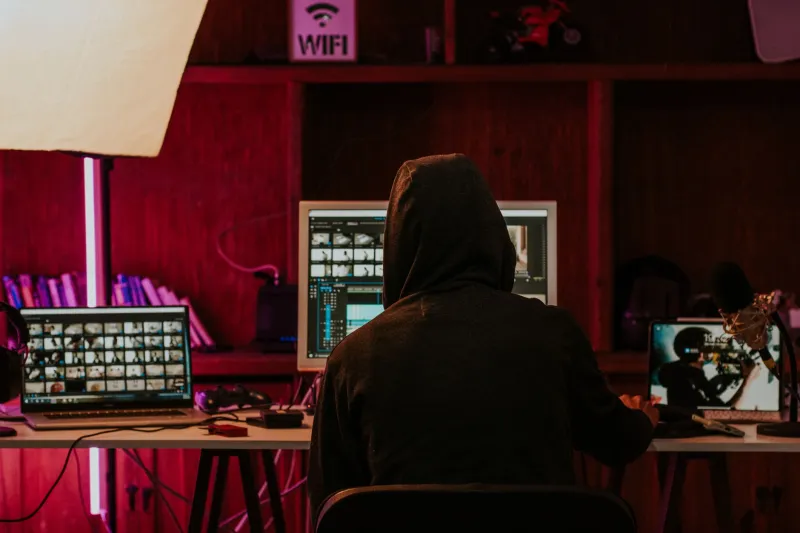
Then there's the other version — the one a guy in Ohio made over fourteen months using ripped DVDs, public domain scans, and a microphone he bought off Amazon. It runs ninety-three minutes. It has a Bandcamp link in the description. And it is, without much argument, the more useful document.
That's not a hypothetical. That's just the state of film commentary right now.
The Official Supplement Problem
Bonus features have always had a PR problem baked into their DNA. When a studio commissions a making-of documentary, they're not paying for criticism — they're paying for promotion. The talent is under contract or at least under social obligation. Nobody's going to sit in front of a camera and tell you the third act was a disaster, even if everybody on set knew it. The result is a genre of content that's technically informative and emotionally inert.
Criterion does it better than most. Arrow does it better than most. But even the best labels are working within constraints — licensing windows, estate approvals, distributor relationships that nobody wants to jeopardize. There are things they simply cannot say, and things they simply cannot show.
Independent video essayists don't have those constraints. They have fair use, a Patreon, and absolutely nothing to lose.
What the Amateurs Are Actually Building
The landscape here is genuinely weird and genuinely exciting. You've got channels that focus on single directors with the intensity of academic dissertations — not the famous ones, either. We're talking about people who've spent eighteen months reconstructing the production history of a 1973 Italian genre film using fanzines, import pressings, and direct correspondence with surviving crew members.
You've got video essays that don't just analyze a film but situate it inside the industrial, political, and aesthetic conditions that made it possible. Context that would require three separate Criterion supplements to approximate, delivered in one forty-minute YouTube video with handmade title cards.
And you've got the documentary-makers — the ones producing feature-length work that would genuinely screen at festivals if anyone could figure out the rights situation. These projects often can't be officially distributed precisely because they're so thorough. They use clips. They use music. They use archival materials that nobody has cleared because nobody expected anyone to care this much.
The Shadow Archive
What's accumulating here is something film historians will eventually have to reckon with. Call it a shadow archive — a parallel record of film culture that exists outside commercial distribution, often in formats that are already becoming unstable. Videos get taken down. Channels disappear. Hard drives fail. The guy who made the definitive account of a particular filmmaker's lost period might decide to take it all down tomorrow, and there's no Library of Congress copy waiting in the wings.
That precariousness is part of what makes this stuff feel so alive, but it's also genuinely alarming. Some of the best film criticism produced in the last decade exists in a state of permanent impermanence. You find it, you watch it, and then you hope it's still there when you want to send it to someone.
Collectors and archivists have started treating these videos the same way they treat rare pressings — downloading local copies, sharing links in private Discord servers, building personal libraries of work that they know could vanish. The irony of having to bootleg the bootleg documentarians is not lost on anyone involved.
Why They're Often Just Better
Here's the uncomfortable truth that nobody in the official supplement world wants to say out loud: passion is a production value. When someone spends a year and a half on a project with no financial incentive beyond their own compulsion to understand something, it shows. The arguments are tighter. The research goes further. The willingness to sit with uncomfortable conclusions — that a beloved film has a serious structural problem, that a canonized director made a genuinely bad call, that the received wisdom about a particular movement is wrong — is orders of magnitude higher.
Official releases have budgets. Independent video essayists have stakes. Those aren't the same thing.
There's also the question of access. It sounds counterintuitive, but amateurs sometimes get to people and materials that official productions can't touch. A filmmaker who's been burned by the industry might not want to do a polished Criterion interview, but they'll spend two hours on a Zoom call with someone who clearly read everything they ever made. An estate that's protective of its rights might decline a label's overture but quietly share materials with a researcher who reaches out with genuine care and no commercial agenda.
The Labels Are Watching
The better boutique labels have figured this out, at least partially. Some have started licensing video essay content, commissioning work from creators who built their reputations independently. It's a reasonable compromise, though it inevitably changes the nature of the work — once there's a check involved, the constraints start reappearing.
But the ecosystem that produces the best independent film commentary isn't really something you can absorb into a corporate structure. It runs on a specific kind of obsession that doesn't scale. The guy making the definitive documentary about a filmmaker nobody else cares about is doing it because he can't stop himself. That's not a business model. It's a condition.
And honestly? That's why it works.
Where to Start Looking
If you're not already deep in this world, the entry points are scattered but findable. YouTube is the obvious starting place, though the algorithm is actively hostile to the kind of long-form, niche content we're talking about. Patreon and Substack have become secondary homes for creators who need some financial stability without giving up editorial control. Private Discord servers and film forum communities are where the most specialized stuff circulates — you have to already know what you're looking for, which is its own barrier.
The work is out there. It's just not going to come to you. Which, if you think about it, is exactly the right dynamic for content this good.